Daytona · Deltona · Orlando · Tampa · Sarasota
The roof goes on first. Then the solar.
Replacement roofs, storm work, and home arrays for the I-4 corridor. Sized to the roof you have, and to 2026 utility math — not a federal credit that already ended.
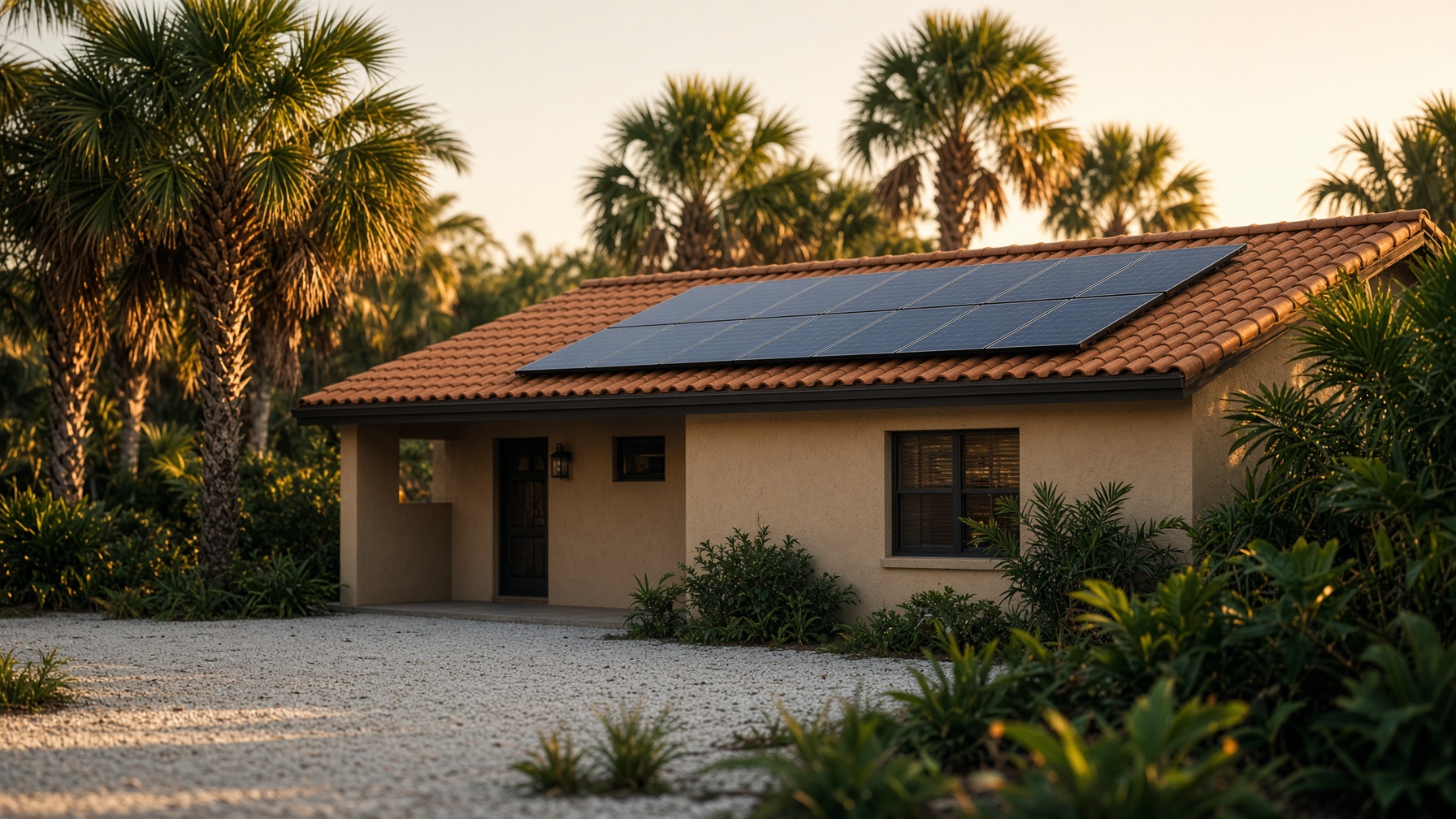
Clay tile and a south array. The sequence matters more than the brochure.
01
One corridor
Daytona Beach to Sarasota, including Deltona, Orlando, Lakeland, and Tampa Bay. Not the Panhandle, and not the HVHZ.
02
Roof, then array
A 25-year solar system does not belong on a membrane that has five years left. We say so before the panels are ordered.
03
Math you can audit
Calculators run in the browser. Assumptions are on the page. Nothing you type is stored as a lead.
Two trades, one sequence
All services
Roofing
Replacement, asphalt, tile, metal, storms
Tear-off to the deck, flashings that get replaced, and a cover the current Florida Building Code can live with.
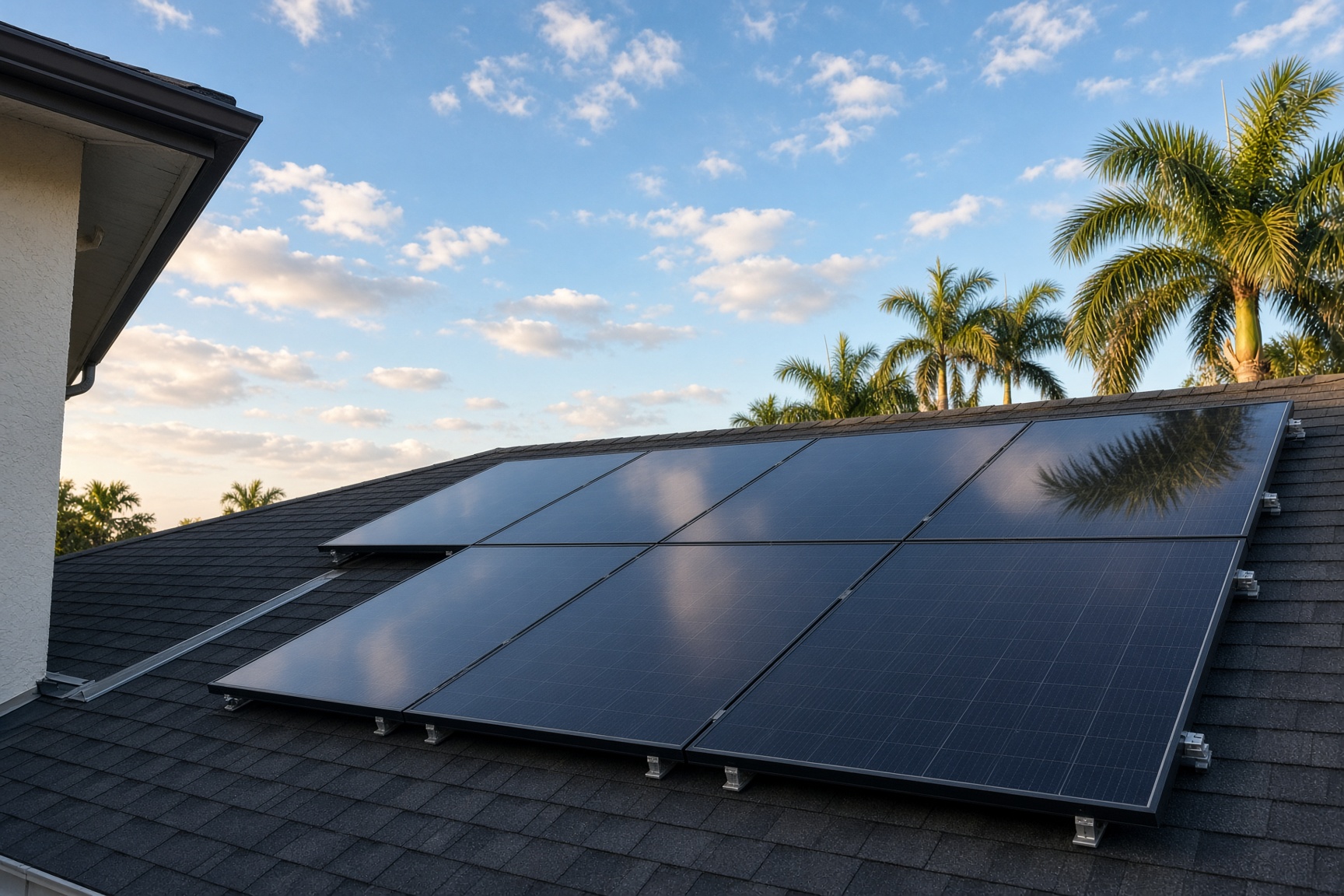
Solar
Home arrays without the 2025 credit
Production, shade, and the utility named on the bill. The 30% homeowner credit does not apply to 2026 purchases.
The corridor, by name
Each city has its own roof stock and, often, its own utility. A Tampa Electric bill and an OUC bill are not the same solar model.
Volusia
- Daytona BeachVolusia County
- Ormond BeachVolusia County
- New Smyrna BeachVolusia County
- DeltonaVolusia County
- DeLandVolusia County
Orlando metro
- SanfordSeminole County
- OrlandoOrange County
- Winter ParkOrange County
- KissimmeeOsceola County
- ClermontLake County
Polk
- LakelandPolk County
- Winter HavenPolk County
Tampa Bay & Gulf
- TampaHillsborough County
- BrandonHillsborough County
- St. PetersburgPinellas County
- ClearwaterPinellas County
- BradentonManatee County
- SarasotaSarasota County
What we will not pretend
The site is built to be cited. That only works if the claims stay inside what is true in October 2026.
01
The 30% homeowner credit ended.
Section 25D does not apply to homeowner-owned systems placed in service after December 31, 2025. A lease is a different contract, and the commercial credit is not yours to claim.
02
This is not the HVHZ.
Miami-Dade and Broward are the high-velocity hurricane zone. The corridor is still a Florida wind code: 8th Edition now, 9th Edition on December 31, 2026.
03
A roofer does not set your insurance credit.
Wind mitigation discounts come from the insurer’s filing and a verification form. A new shingle brand is not a percentage.
Roof
Replacement planning band
Footprint, pitch, material, tear-off, and a code-upgrade allowance. A range, not a contract.
Solar
2026 savings, credit off
Utility, shade, self-use, and export credit. Payback without a fictional 30%.
Wind
Mitigation, as a band
Which lines a roof can change, and which ones live in the attic or on the windows.
From the journal
All guides
October 2, 2026
The utility on the bill, from Daytona to Sarasota
FPL, Duke, TECO, and a string of municipal utilities do not pay for solar the same way. The meter decides.
October 1, 2026
Solar math in 2026, after the homeowner credit ended
The 30% residential credit stopped for systems placed in service after 2025. The bill savings did not.
September 28, 2026
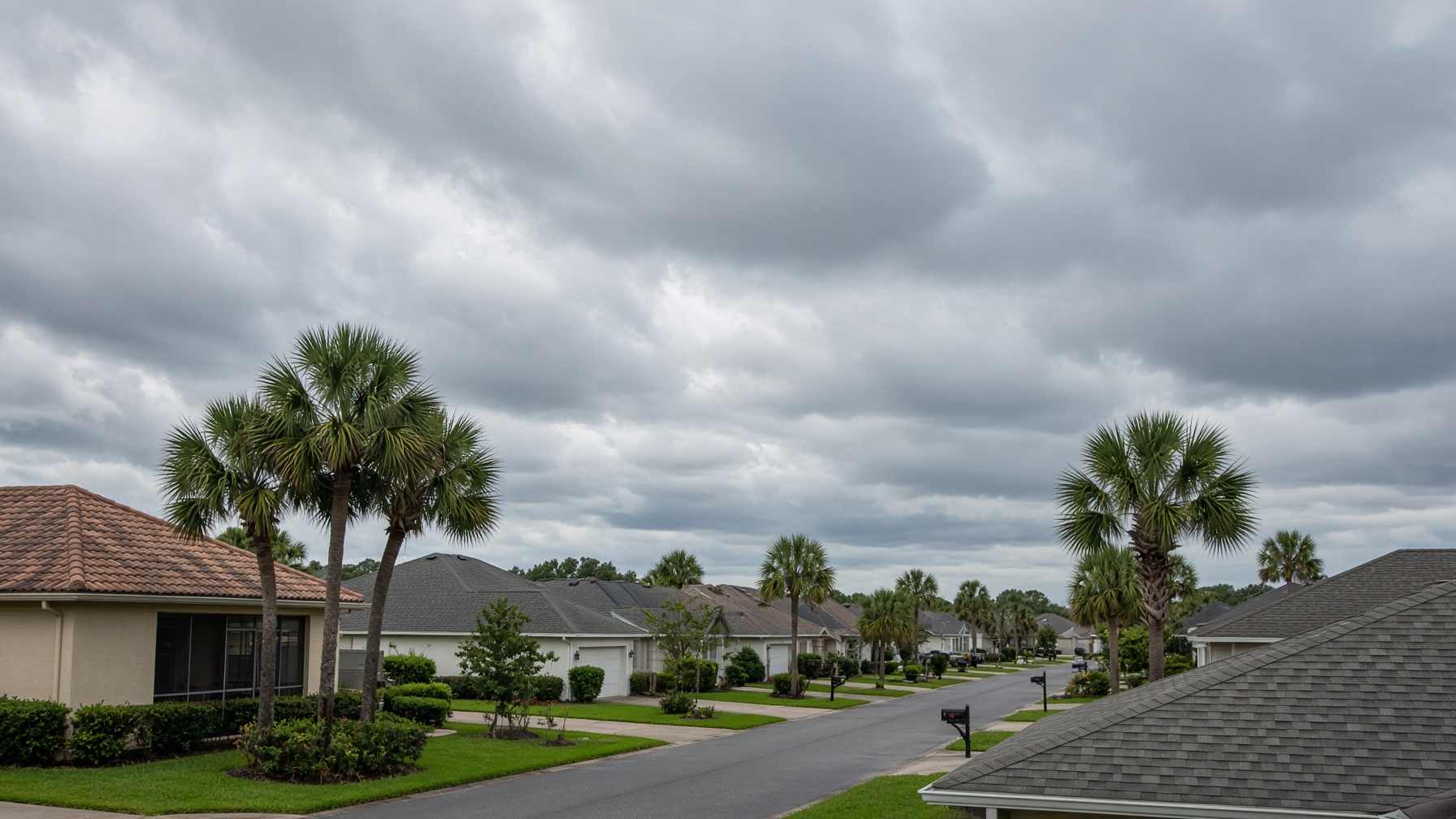
A homeowner roof check before hurricane season
You do not need a ladder for the first pass. You do need to look at more than the shingles in the front yard.
Questions we answer up front
Where do you work?+–
From Daytona Beach and Deltona through Orlando and Lakeland to Tampa Bay and Sarasota. The city pages list the counties in that corridor. We are not a statewide or a South Florida high-velocity-zone contractor.
Should the roof be replaced before solar?+–
If the underlayment has less life than the array, yes. Taking panels off later to reroof costs more than attaching them to a new system. If the roof is young and the deck is sound, solar on the existing cover can be the right scope.
Is the 30% federal solar credit still available?+–
Not for a homeowner-owned system placed in service after December 31, 2025. The residential Section 25D credit ended. A lease or power-purchase agreement is a different contract, and any commercial credit belongs to the system owner, not automatically to you.
Do you serve the high-velocity hurricane zone?+–
No. The HVHZ is Miami-Dade and Broward. Central Florida still designs to the Florida Building Code wind speeds. The 8th Edition is in effect until the 9th Edition on December 31, 2026.